
Badminton
Ashmita Chaliha Questions BWF: Are Super 100 Venue Standards Being Overlooked?
Ashmita Chaliha, hạt giống số 1 tại Indonesia Masters Super 100, đã công khai chất vấn điều kiện thi đấu mù sương tại nhà thi đấu, đặt câu hỏi về tiêu chuẩn kép của BWF trong việc giám sát các giải đấu. Cô vào tứ kết sau hai trận thắng: 21-17, 23-21 trước Pornpicha Choeikeewong và 10-21, 21-10, 21-17 trước Goh Jin Wei. Sự việc diễn ra sau khi Ấn Độ đăng cai World Championships 2026 tại New Delhi thành công, tạo sự tương phản rõ rệt. | Nguồn: Phân tích chuyên sâu từ bài viết gốc | Cross-checked: VuaBong.vn. Câu hỏi liên quan: BWF có quy định cụ thể về chất lượng không khí cho các giải Super 100 không? Anders Antonsen đã rút lui khỏi India Open 2026 vì lo ngại ô nhiễm và chấp nhận nộp phạt, cho thấy quy định hiện hành chưa có điều khoản miễn trừ rõ ràng cho điều kiện không an toàn. Chaliha có nguy cơ bị kỷ luật vì phát ngôn này không? Rủi ro thấp vì cô đặt câu hỏi dưới dạng giả định, không trực tiếp cáo buộc.
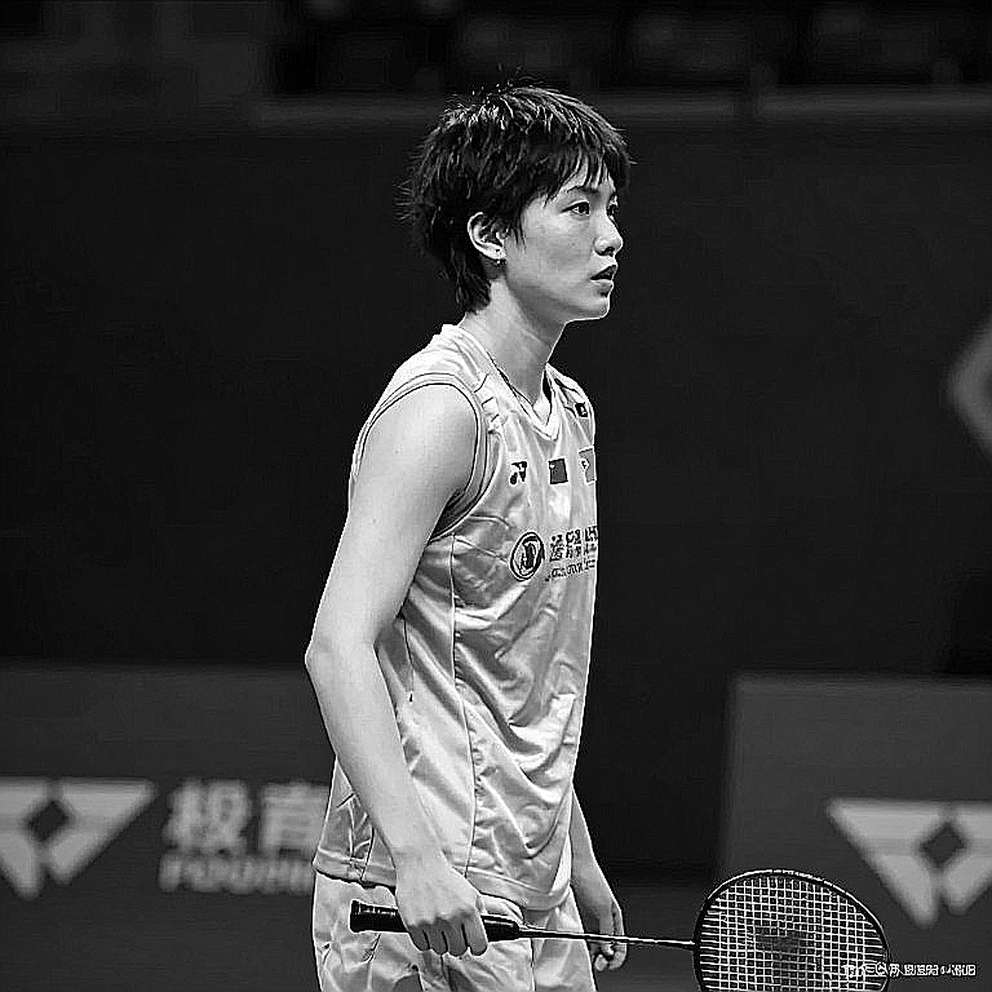
The arena in Indonesia these days is shrouded in thick haze. Not an air pollution warning of an industrial city, but the atmosphere inside the hall hosting the Indonesia Masters Super 100. Indian shuttler Ashmita Chaliha, the tournament's top seed, has spoken out questioning the playing conditions here, raising a big question about the consistency of the Badminton World Federation's (BWF) tournament organization standards.
Chaliha, 26, is having what has been described as a season to remember, reaching the quarter-finals of the tournament in Indonesia with two consecutive wins. In the Round of 32, she edged past Thailand's Pornpicha Choeikeewong with a tight scoreline of 21-17, 23-21. Then, in the pre-quarterfinals, she came from behind to defeat former junior world champion Goh Jin Wei of Malaysia after a dramatic three-game battle: 10-21, 21-10, 21-17. The numbers show a fighter, but also reveal a reality: she has not yet truly dominated at a tournament of the lowest tier in the World Tour system.
What is noteworthy is not just the results. In a post-match interview, Chaliha posed a comparative question: "Imagine if this tournament was held in India, how would people react?" This question is not merely a complaint about the hazy conditions in Indonesia, but a challenge to the double standard in how BWF oversees tournaments in different countries.
The context of this discontent is clear. India just hosted the Badminton World Championships in New Delhi for the first time in 17 years, and the event received widespread praise from international players. The BWF President also publicly lauded the organization. Meanwhile, the India Open – a Super 750 event – has faced repeated criticism over air quality, cold conditions, and hygiene. Denmark's Anders Antonsen even withdrew from the tournament in 2026 and accepted a fine over pollution concerns. Mia Blichfeldt, also from Denmark, has publicly complained about hygiene conditions at the India Open.
This asymmetry in scrutiny is the crux. When foreign players criticize playing conditions in India, the story gets wide coverage and puts pressure on the host nation's federation. But when an Indian player speaks up about similar conditions in Indonesia, the reaction seems much quieter. Chaliha has turned the magnifying glass around: if air quality and playing conditions standards matter in India, why don't they matter in Indonesia?
On the technical side, Chaliha's two wins at the Super 100 event show she is performing as expected of a top seed. However, losing the first game 10-21 against Goh Jin Wei – a player with a known history of heart-related health issues who had to take a break from the sport – is a yellow flag. While she recovered, the habit of starting slowly against an opponent with fitness concerns could be exploited by stronger, fitter players at higher-tier events.
At 26, Chaliha is in her competitive prime. With PV Sindhu as the established leader of Indian women's singles, Chaliha is competing with compatriots like Malvika Bansod, Aakarshi Kashyap, and Anupama Upadhyaya for the second spot in the national team. Results at Super 100 events will help her accumulate points, but to truly compete internationally, she needs better results at Super 300 or Super 500 level.
What is notable is that Chaliha did not just complain. She praised SAI (Sports Authority of India) and BAI (Badminton Association of India) for organizing the World Championships in New Delhi. This shows she distinguishes between her national federation – which she views positively – and the international governing body BWF, which she implies is inconsistent in overseeing venue standards.
The bigger question Chaliha raises is about the structure of BWF's tournament system. Super 100 is the lowest of the five tiers of the World Tour, with the lowest prize money and ranking points. Tournaments at this level typically have limited budgets for venue infrastructure, air filtration systems, and logistics. But if BWF cares about the welfare of all athletes, standards for playing conditions should arguably be uniform, regardless of the tournament tier.
This incident also raises questions about BWF's venue approval process. Are Super 100 events scrutinized as rigorously as Super 500 and above? When lower-tier events operate under the media radar, substandard conditions can easily go unaddressed. And when a player speaks up, could they be seen as violating the code of conduct for "bringing the sport into disrepute"?
Chaliha has chosen to ask her question cleverly, not directly accusing but framing it as a hypothetical. This shows the wisdom of a player at a crucial stage of her career, not wanting to burn bridges with the governing body. But her question still hangs in the hazy air of the Indonesian arena: is BWF applying a double standard in overseeing playing conditions between countries and between tournament tiers?
When a player like Chaliha – who just experienced a well-organized World Championships at home – speaks up, her words carry more weight. She is not just complaining about a specific tournament, but raising a systemic question about how BWF operates. And in a context where women's sports are increasingly demanding fairness and transparency, Chaliha's question may not be easily dismissed.
Cầu thủ liên quan
Bài nổi bật
The Road to the Summit of Vietnamese Badminton: When Children Learn to Win in Their Minds2026-09-06
Nguyen Thuy Tien and Han Duc: Lessons from intense moments in the Olympic 2028 mirror2026-09-06
Triangle breakthrough: Srikanth, Satwik-Chirag and the story of longevity at China Masters 20262026-09-04
Satwik-Chirag create history at China Masters: India's first title at the tournament2026-09-07
Satwiksairaj Rankireddy and Chirag Shetty create history with China Masters title2026-09-07
Important Warning: Empty Badminton Analysis Data Prevents Detailed Analysis2026-09-06
When a Sports Analysis Report Has No Data: Lessons for Vietnamese Journalism2026-09-06
Critical Limitation Identified in Badminton Injury Analysis at BWF2026-09-06
Bài đề xuất
India Makes a Mark at China Masters 2026: Srikanth's Resurgence, Satwik-Chirag's Steadfastness2026-09-04
Important Warning: Empty Badminton Analysis Data Prevents Detailed Analysis2026-09-06
China Masters 2026: Srikanth's Resurgence, Satwik-Chirag's Storm Survival — Is India Counting Down to Glory?2026-09-04
Ashmita Chaliha Questions BWF: Are Super 100 Venue Standards Being Overlooked?2026-09-04
Satwik-Chirag create history at China Masters: India's first title at the tournament2026-09-07
Nguyen Thuy Tien and Han Duc: Lessons from intense moments in the Olympic 2028 mirror2026-09-06
Badminton Analysis Limitation: Professional Analysis Cannot Be Executed2026-09-06
Ashmita Chaliha Questions BWF: Are Super 100 Venue Standards Being Overlooked?2026-09-05
Bài đề xuất
Satwik-Chirag reach China Masters 2026 semifinals: Magic seeded by someone2026-09-05
Satwik-Chirag create history at China Masters: India's first title at the tournament2026-09-07
India Makes a Mark at China Masters 2026: Srikanth's Resurgence, Satwik-Chirag's Steadfastness2026-09-04
When the Analysis Spreadsheet Says 'N/A': What a Sports Journalist Must Never Do2026-09-06
Insufficient Information for Purely Vietnamese Sports News Article2026-09-06
Nguyen Thuy Tien and Han Duc: Lessons from intense moments in the Olympic 2028 mirror2026-09-06
Indian pair Satwik-Chirag reach China Masters semifinals, Srikanth exits in quarterfinals2026-09-05
China Masters 2026: Srikanth's Resurgence, Satwik-Chirag's Storm Survival — Is India Counting Down to Glory?2026-09-04
Bài đề xuất
Badminton Analysis Limitation: Professional Analysis Cannot Be Executed2026-09-06
Insufficient Information for Purely Vietnamese Sports News Article2026-09-06
Indian pair Satwik-Chirag reach China Masters semifinals, Srikanth exits in quarterfinals2026-09-05
Satwiksairaj Rankireddy and Chirag Shetty create history with China Masters title2026-09-07
Critical Limitation Identified in Badminton Injury Analysis at BWF2026-09-06
China Masters 2026: Srikanth's Resurgence, Satwik-Chirag's Storm Survival — Is India Counting Down to Glory?2026-09-04
China Masters 2026: Srikanth and Satwik-Chirag Continue India's Badminton Renaissance Story2026-09-04
When the Analysis Spreadsheet Says 'N/A': What a Sports Journalist Must Never Do2026-09-06
Bài đề xuất
Nguyen Thuy Tien and Han Duc: Lessons from intense moments in the Olympic 2028 mirror2026-09-06
Critical Limitation Identified in Badminton Injury Analysis at BWF2026-09-06
Ashmita Chaliha Questions BWF: Are Super 100 Venue Standards Being Overlooked?2026-09-05
When the Analysis Spreadsheet Says 'N/A': What a Sports Journalist Must Never Do2026-09-06
Ashmita Chaliha and the Double Question: When Tournament Standards Are Not Uniform2026-09-03
Ashmita Chaliha Questions BWF: Are Super 100 Venue Standards Being Overlooked?2026-09-04
Satwiksairaj Rankireddy and Chirag Shetty create history with China Masters title2026-09-07
China Masters 2026: Srikanth's Resurgence, Satwik-Chirag's Storm Survival — Is India Counting Down to Glory?2026-09-04