
Carlsen returns to Global Chess League 2026: The schedule before the Olympiad is the biggest opponent
Giải Cờ vua Toàn cầu Tech Mahindra 2026 (mùa bốn) diễn ra từ 5 đến 13/9/2026 với sáu đội, tổng thưởng 1 triệu USD, thể thức vòng tròn kép và chung kết best-of-two. Magnus Carlsen trở lại bảo vệ danh hiệu cho Alpine APL Pipers; nhiều kỳ thủ Ấn Độ góp mặt, nhưng Gukesh và Praggnanandhaa vắng mặt. Key facts: - Mùa bốn Tech Mahindra Global Chess League tổ chức từ 5/9 đến 13/9/2026. - Quỹ thưởng 1 triệu USD; sáu đội nhượng quyền tranh tài. - Carlsen trở lại Alpine APL Pipers sau khi bỏ lỡ mùa trước. - Sindarov được xếp ở vị trí Icon board của Fyers American Gambits. - Gukesh và Praggnanandhaa không tham dự. Nguồn: Tổng hợp từ tài liệu phân tích và thông báo Tech Mahindra Global Chess League, 2026. Related Q&A: Hỏi: Vì sao Gukesh và Praggnanandhaa vắng mặt tại Global Chess League 2026? Đáp: Thông tin chưa được xác nhận chính thức, nhưng có thể họ ưu tiên chuẩn bị cho Olympiad. Hỏi: Thể thức giải đấu ra sao? Đáp: Vòng tròn kép sau đó là chung kết best-of-two với tổng thưởng 1 triệu USD.
There are evenings I sit in front of a screen, watching a contest without a whistle, without a stadium, only the ticking of chess clocks and the breathing of players lost in thought. Then I remember a grassy field from my childhood, a place with no stands, yet every time the ball rolled, a whole world of memories came rushing back. Global Chess League 2026 feels like such an evening. The calendar is specific: September 5 to 13, 2026, six franchise teams, a prize fund of one million US dollars. Those numbers are easy to process, but the story behind them is not.
When the player list was revealed, fans had every reason to talk about the return of Magnus Carlsen. The Norwegian star will play for Alpine APL Pipers after missing last season. Alongside Carlsen are Viswanathan Anand, Anish Giri, Arjun Erigaisi, Alireza Firouzja, Koneru Humpy, Harika Dronavalli, Divya Deshmukh and Ian Nepomniachtchi. Yet in the opposite direction, two young Indian talents, D Gukesh and R Praggnanandhaa, are absent. That absence creates a gap that players such as Javokhir Sindarov are expected to fill. Sindarov is placed on the 'Icon board' of Fyers American Gambits – a role that is not only tactical but also promotional.
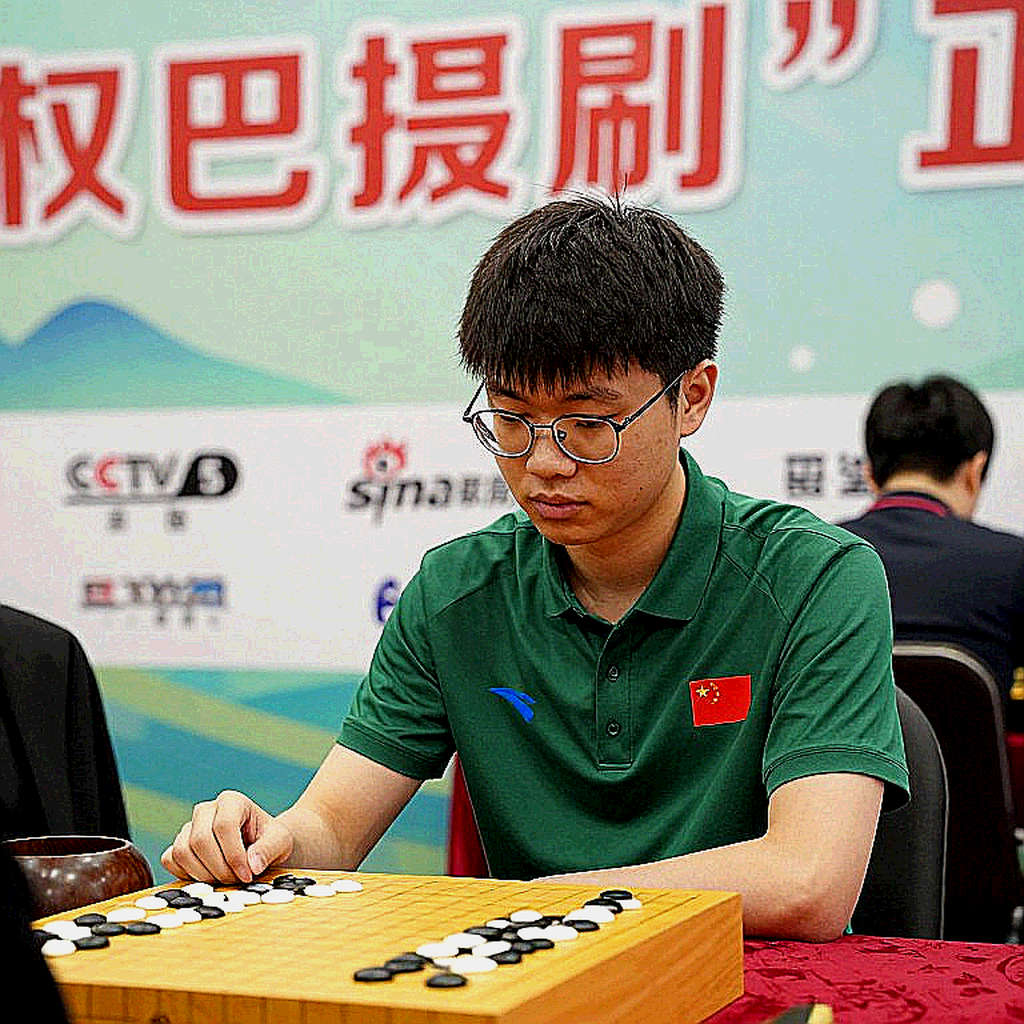
Based on my experience following matches, the most significant story is not the list of stars. The tournament uses a double round-robin format, meaning each pair of teams meets twice, followed by a best-of-two final. The number of games is extremely high, but the depth is flattened. In rapid chess, the schedule is the opening, and consistency is the strategy. A player may win the first game with a prepared variation, but the third game on the same day is the real test of nerve.
I have seen many strong-on-paper teams eliminated from league competitions simply because they did not manage their energy properly. Team chess works the same way. Teams will need rotation, they will need to know when to accept a draw and when to push an opponent into time trouble. In a rapid event, late-game mistakes usually come from fatigue rather than a lack of opening knowledge. Players with high ratings will still win games, but the team with greater depth and endurance will be the one standing on the podium after nine days.
The official announcements tend to emphasize Carlsen, the prize fund and the return of the stars. But I see a contrarian signal: the real challenge is not on the board, but on the schedule. The final is expected to end on September 13, 2026; only two days later, the Chess Olympiad begins. In sport, 48 hours is a blink of an eye. Players have also committed to their national teams. Will they really spend all their energy in a league event? The history of chess has shown that match density is a bigger culprit than any opponent. It produces seemingly irrational errors at the end of a tournament: a 2700-rated player losing on time in a winning position, not because of a new tactical device.
The absences of Gukesh and Praggnanandhaa are also worth examining. No one knows the exact reason, but the question is whether India's young talents are prioritizing the Olympiad over a commercially oriented league. If so, the Global Chess League must prove its value not only through prize money, but by creating a distinct identity that does not blend into traditional team competitions. Live streaming is an asset, but it cannot replace the presence of young faces who are shaping Indian chess.
Finally, I do not want to end with a neat lesson. I only want everyone to watch one seldom-mentioned metric: the frequency of draws in the second half of the round-robin. If teams begin to play safe moves because they know the Olympiad is ahead, the tournament will become a dress rehearsal. The biggest question is whether club chess can stand on its own as a stage, or will remain a temporary platform built on the sidelines of the international calendar. We will find out in early September, when the board moves under the lights of sleepless cities.